Why Bosnia
Bosnia deserves a closer look.
Bosnia combines serious unmet needs with lighter European coverage than many organisations expect. This page sets out where focused programs can matter and what it takes to operate here without losing time or budget.
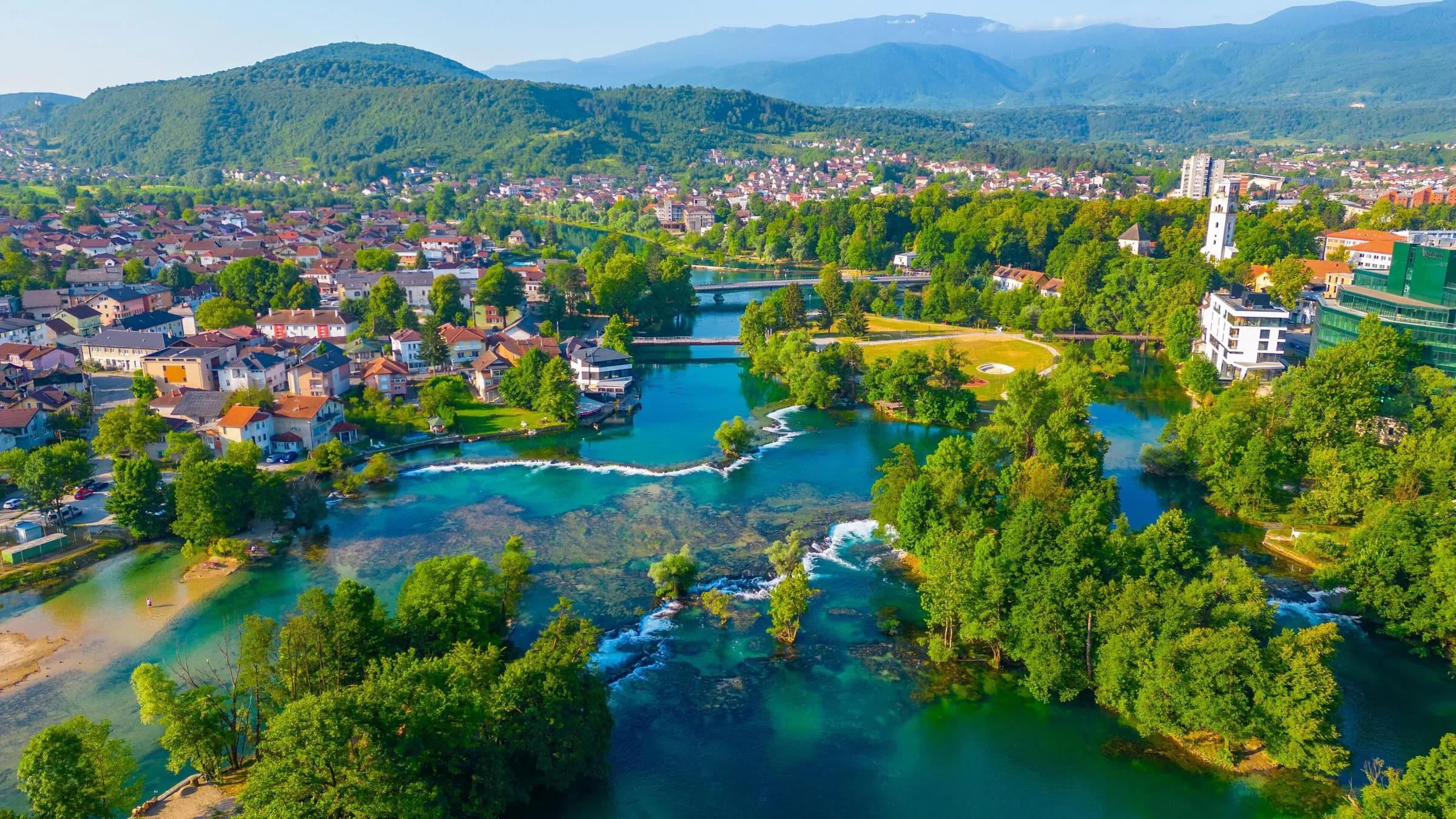
Bosnia in context
Four facts that shape the operating case.
- Up to €976.6M
- Indicative EU Facility allocation for 2024–2027
- European Commission, Allocations available for each beneficiary (2026)
- >757 km²
- Mine-suspected land still posing a threat (2026)
- Ministry of Civil Affairs of Bosnia and Herzegovina, Donor Committee for Mine Action: Faster Mine Clearance Requires Realistic Plans and Sustainable Funding (2026)
- ~6 hrs
- Typical drive from Vienna to Bihać
- Route and border queues vary; plan a two-day site visit.
Where programs can matter
Five areas with room for focused work.
Start with the program area that matches your mandate, then test the need, local capacity, and operating route before committing.
-
01
Humanitarian and social support
Work remains in care for children without parental support, Roma inclusion, services for older people in rural communities, and reliable material-aid delivery. Una-Sana, Tuzla, and Zenica-Doboj offer different local entry points.
-
02
Return, peacebuilding, and recovery
The effects of displacement did not end with the peace agreement. Housing for returnees, trauma-aware education, and practical reconciliation work still require long-term, community-level attention.
-
03
Health, disability, and mine survivors
Specialist paediatric care, disability inclusion, community mental health, and support for mine survivors remain underfunded. Mine contamination also affects where teams can travel and where infrastructure work can begin.
-
04
Rivers, forests, and heritage
The Una and Sana river systems, surrounding forests, biodiversity, and under-maintained cultural sites create clear work for conservation, monitoring, and heritage programs with credible local ownership.
-
05
Animal protection
Municipalities need workable approaches to stray-animal management, sterilisation, shelter capacity, and responsible adoption. The gap is operational as much as financial: facilities, veterinary partners, transport, and follow-through all have to work together.
A practical starting point
Una-Sana puts the work close to the need—and close to Groundwork.
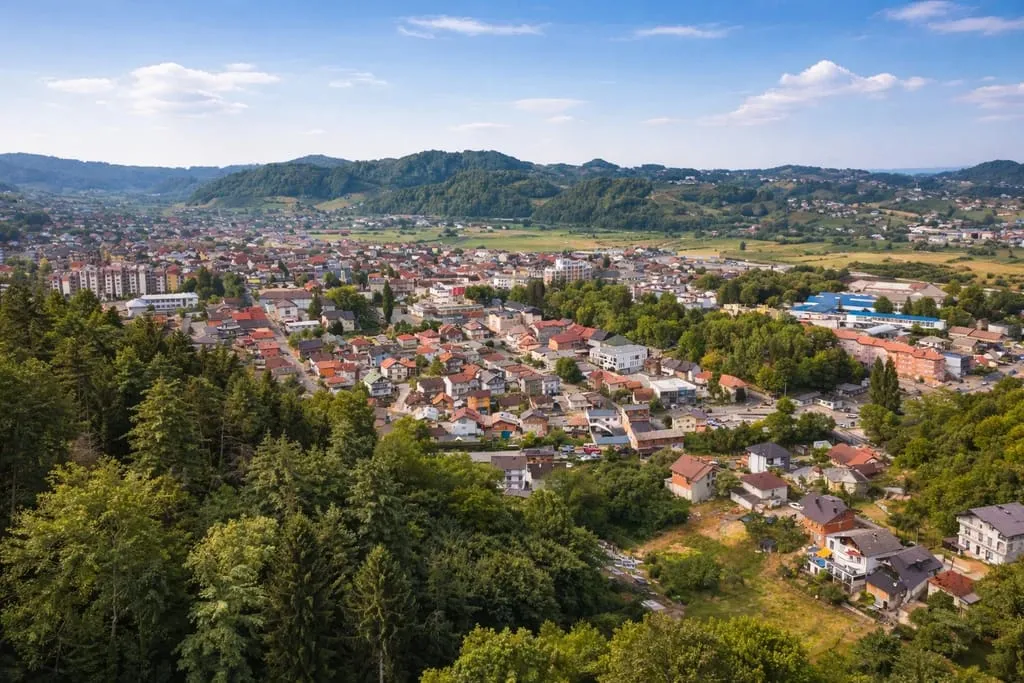
The canton sits on Bosnia’s north-western border with Croatia and the EU. For a first program, that means road access from Central Europe, lower operating costs than Sarajevo, and public institutions small enough for direct working relationships. The region has carried significant migration-response pressure since 2018 while many communities receive limited outside attention. Groundwork is based in Velika Kladuša, so site visits, procurement, and follow-up happen from within the canton.
Operating conditions
Plan for these before the first euro moves.
None is a reason to avoid Bosnia. Each is a reason to put local ownership, time, and checks into the plan from the start.
-
Overlapping levels of government
State, entity, canton, and municipality can all matter, and their responsibilities overlap. The useful question is not which institution appears responsible on paper, but which office can actually approve the work.
-
Customs and cross-border logistics
Bosnia is outside the EU customs union. One incomplete document can hold a shipment at a terminal and add storage costs. The paperwork and customs route need to be agreed before dispatch.
-
The foreigner premium
An organisation based abroad can receive a materially higher quote than a local buyer. Comparable bids, local market knowledge, and checks on the supplier matter before a purchase is approved.
-
Informal intermediaries
Some intermediaries solve real problems; others sell access they do not have. References, conflicts, fees, and the exact role need to be checked before any commitment.
-
Recruitment and retention
Bosnian-speaking staff with international program experience are in demand. A role, pay range, reporting line, and retention plan should be clear before recruitment starts.
-
Currency and payment timing
The convertible mark is fixed to the euro, but dual-currency invoices, incoming transfers, and supplier payment terms still add administration. Agree the payment route and timing before contracts are signed.
Pressure-test the plan
Before you commit to Bosnia, test the operating assumptions.
Bring the proposed program, budget, or first operational question. We’ll identify what needs a local presence and tell you honestly whether Groundwork is the right team for it.
Discuss your Bosnia program